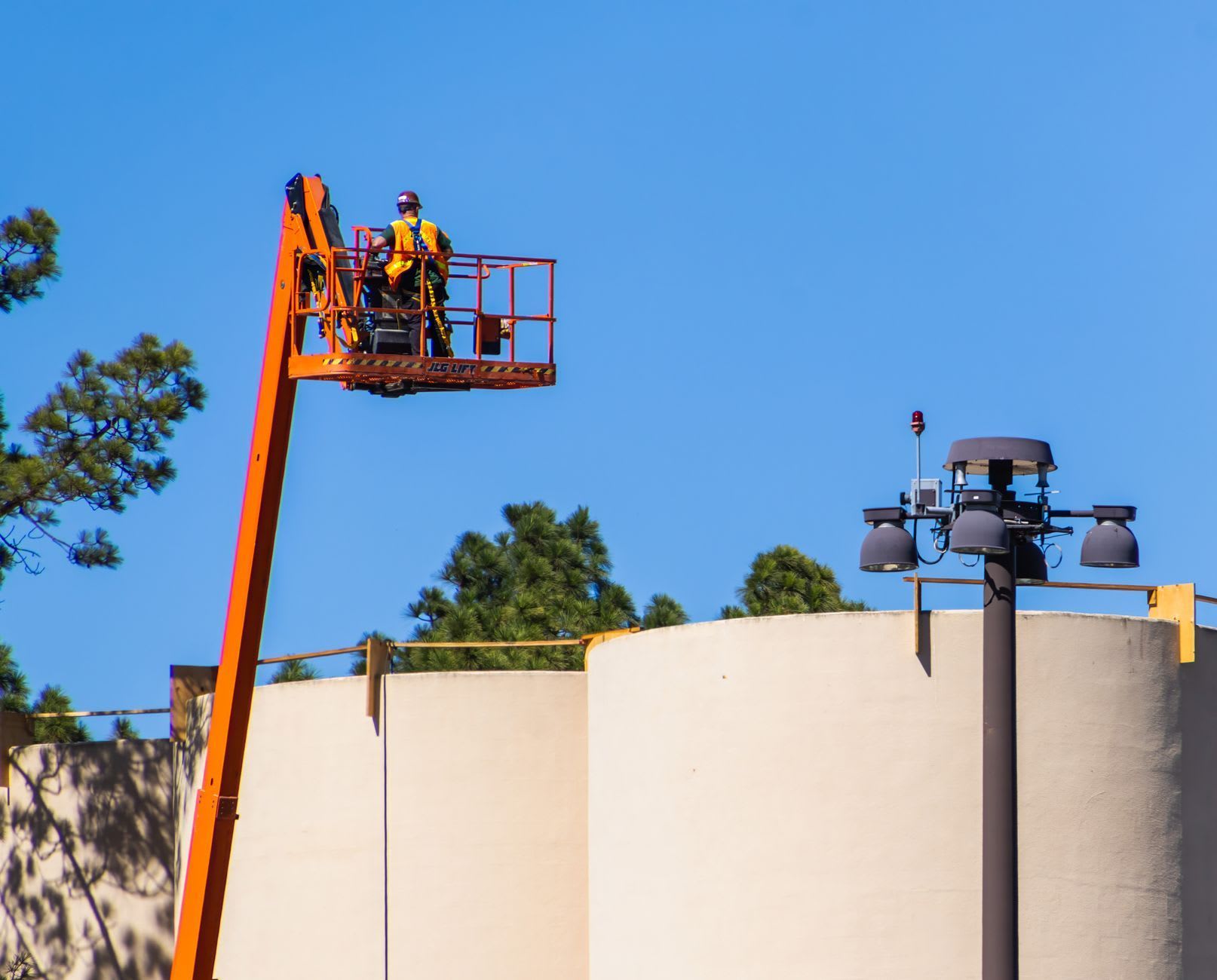
How Construction Businesses Can Manage Risks Around Elevated Work Platforms

Elevated work platforms can help construction teams complete work safely at height, but they also introduce risks that need active management. A recent Victorian prosecution shows the consequences when those risks are not properly controlled: two companies were fined a total of $630,000 after a worker died at a construction site in North Blackburn.
The case involved both a contractor and an equipment supplier. It is a useful reminder that responsibility for safe equipment use may be shared across the businesses involved in a project. The WorkSafe Victoria report on the prosecution should be read alongside your own site procedures and professional safety advice.
For contractors and suppliers, the practical question is not only whether an elevated work platform is available. It is whether everyone involved understands the risks, knows what controls are required, and can show that those controls were put into practice.
Start with the task, not just the equipment
A risk assessment should be specific to the work being performed, the location, and the equipment selected. A general statement that workers will use an elevated work platform is unlikely to identify every relevant hazard.
Before work starts, consider:
- What task will workers complete from the platform?
- How high and how long will the work take?
- What are the ground and surface conditions?
- Are there overhead hazards, nearby structures, traffic, or other work teams?
- Could weather or changing site conditions affect stability or visibility?
- How will workers enter, leave, and be rescued if the platform cannot be used normally?
- Is the selected platform suitable for the load, reach, and work area?
The assessment should lead to clear controls, not simply be filed as a project document. If the work changes, the equipment moves, or another contractor begins operating nearby, review whether the original controls still apply.
This approach also supports wider project planning. A critical path method for construction projects can help managers identify when platform work is scheduled and which other activities depend on it. That does not replace a safety assessment, but it can make coordination easier and reduce pressure to rush a high-risk task.
Confirm competence before allowing operation
Construction businesses should know who is authorised to operate each platform and what evidence supports that decision. Do not assume that a worker’s general construction experience is enough for every type of elevated work platform.
A practical training check should cover the equipment being used, the site conditions, the manufacturer’s operating information, and the hazards identified in the task assessment. Workers should also know the site’s communication and emergency procedures.
Records should make it easy to answer basic questions:
- Who completed the training or induction?
- What equipment or task did it cover?
- Who confirmed that the worker was ready to operate the platform?
- When was the worker briefed on the site-specific risks?
- Were instructions or restrictions communicated to everyone affected?
Training is only one part of competence. A worker may understand the controls in theory but still need supervision when using unfamiliar equipment or working in a changing environment. Managers should set clear rules for when direct supervision is required and who is responsible for providing it.
A short pre-start briefing can be useful when it focuses on the actual shift: the work area, ground conditions, nearby activities, access routes, weather, equipment checks, and the response if something goes wrong. Keep the record with the project documents rather than relying on informal conversations.
Build maintenance and inspection into the workflow
An elevated work platform should be checked before use and maintained according to the relevant equipment information and workplace requirements. The exact inspection and maintenance process will depend on the platform and the circumstances, so businesses should follow the manufacturer’s instructions and obtain competent advice where necessary.
At a minimum, the process should make clear:
- Who completes pre-use checks?
- What defects must take equipment out of service?
- How are defects reported and recorded?
- Who can authorise repairs or return the equipment to use?
- How are maintenance records linked to the specific machine?
Do not treat a supplier’s delivery or hire paperwork as proof that the equipment is safe for every job. The contractor still needs to consider whether the platform is appropriate for the site and task. Conversely, a supplier should provide accurate information about the equipment, known limitations, operating requirements, and maintenance status, and should communicate relevant instructions clearly.
If a defect is identified, label or isolate the equipment according to the business’s procedure and prevent accidental use. A verbal warning alone may not be enough when multiple employers or shifts share the same work area.
Define shared responsibilities before work begins
The Victorian case is a reminder that safety responsibilities can involve more than the employer of the worker who is operating the equipment. Contractors, subcontractors, site managers, hire companies, and equipment suppliers may each control different parts of the risk.
Put those responsibilities in writing before the platform arrives. The guide to creating and interpreting subcontractor agreements is relevant here because project documents should make operational responsibilities clear, not only payment and scope.
A coordination document or handover should identify:
- Who selects the equipment?
- Who confirms that it suits the task and site?
- Who provides operating information and training support?
- Who completes site induction and daily briefings?
- Who controls access to the platform?
- Who inspects the work area and manages nearby activities?
- Who reports defects, incidents, and changes in conditions?
- Who has authority to stop the work?
These questions should be discussed with the people doing the work, not answered only by administrators. If different companies are involved, make sure each business understands where its responsibilities start and end. Written agreements are useful, but they do not remove the need for practical coordination on site.
Turn the checklist into a site routine
For contractors, the next step is to select the elevated work platform safety checks that apply to each project and assign an owner for every action. Keep the assessment, training evidence, inspection records, maintenance information, and daily briefings together so that supervisors can access them quickly.
Suppliers should review how equipment information, limitations, defects, and handover requirements are communicated to customers. Both suppliers and contractors should provide a clear route for raising concerns and stopping work when controls are not in place.
The prosecution reported by WorkSafe Victoria should not be used to infer facts beyond the published account. It does, however, support a conservative approach: assess the task, confirm competence, inspect and maintain the equipment, supervise the work, and document how the contractor and supplier are coordinating their responsibilities before anyone begins working from the platform.